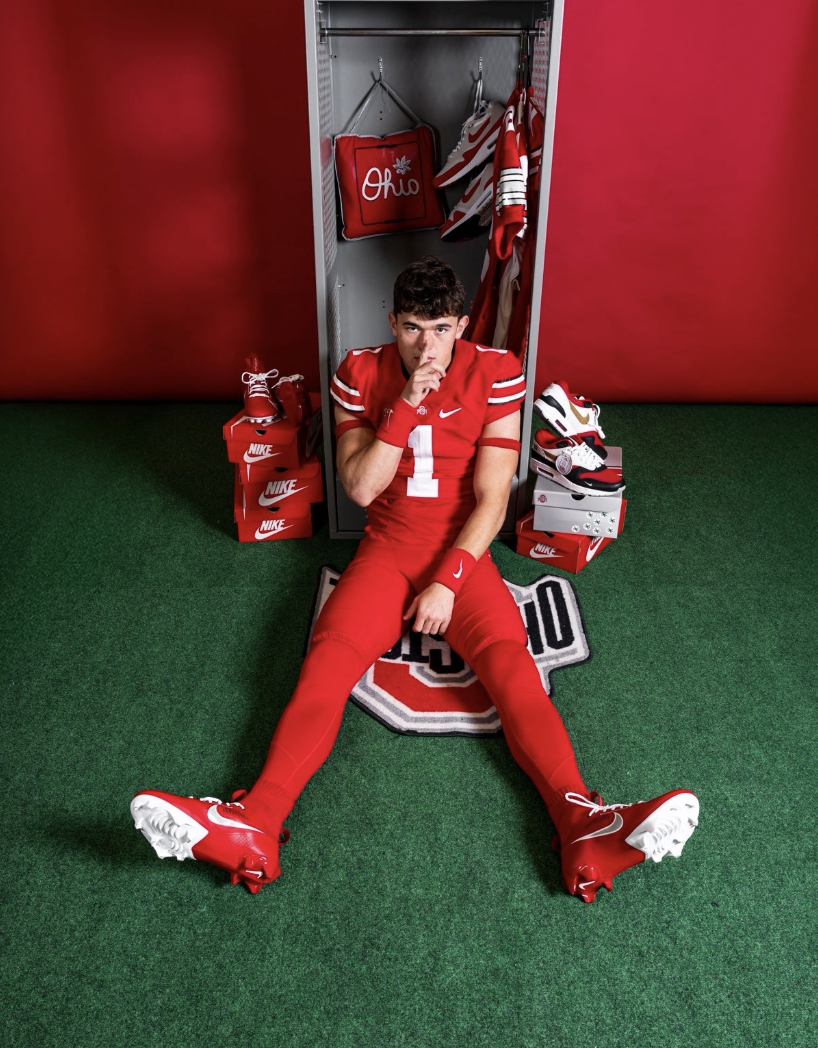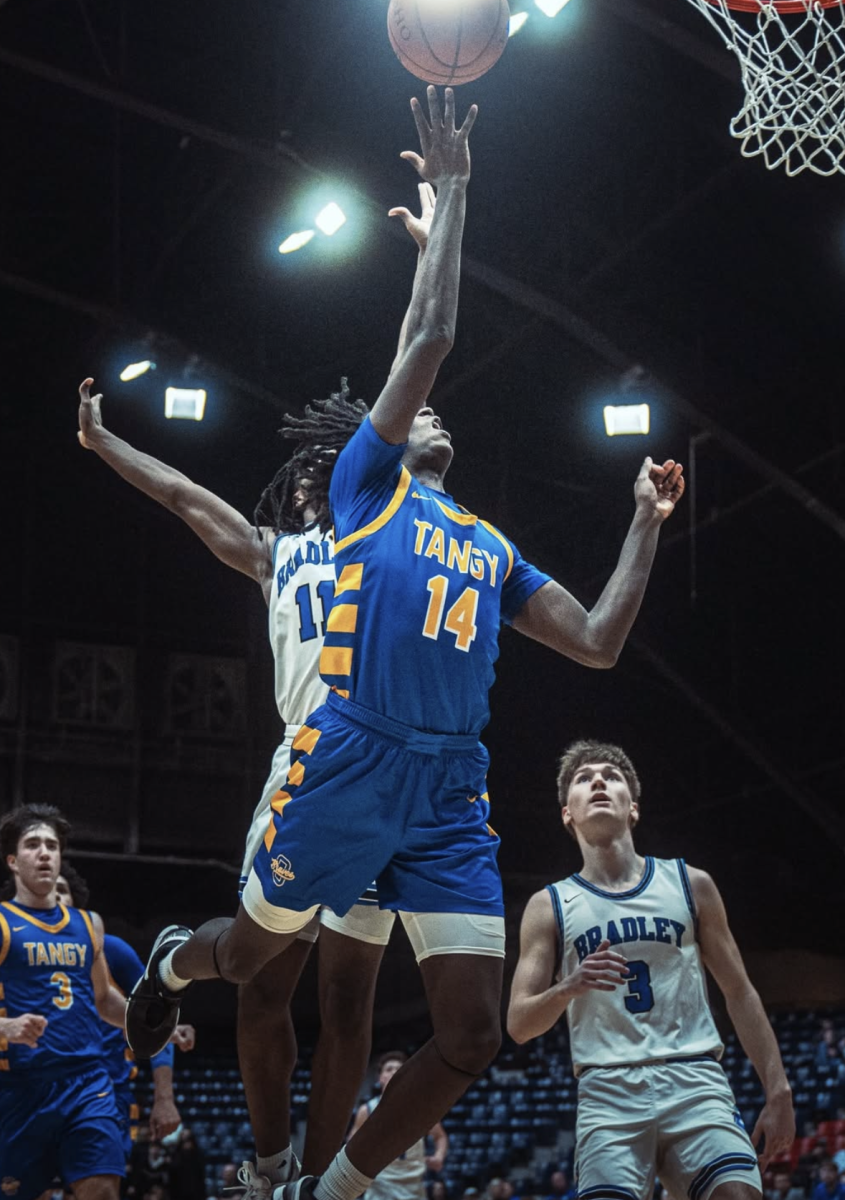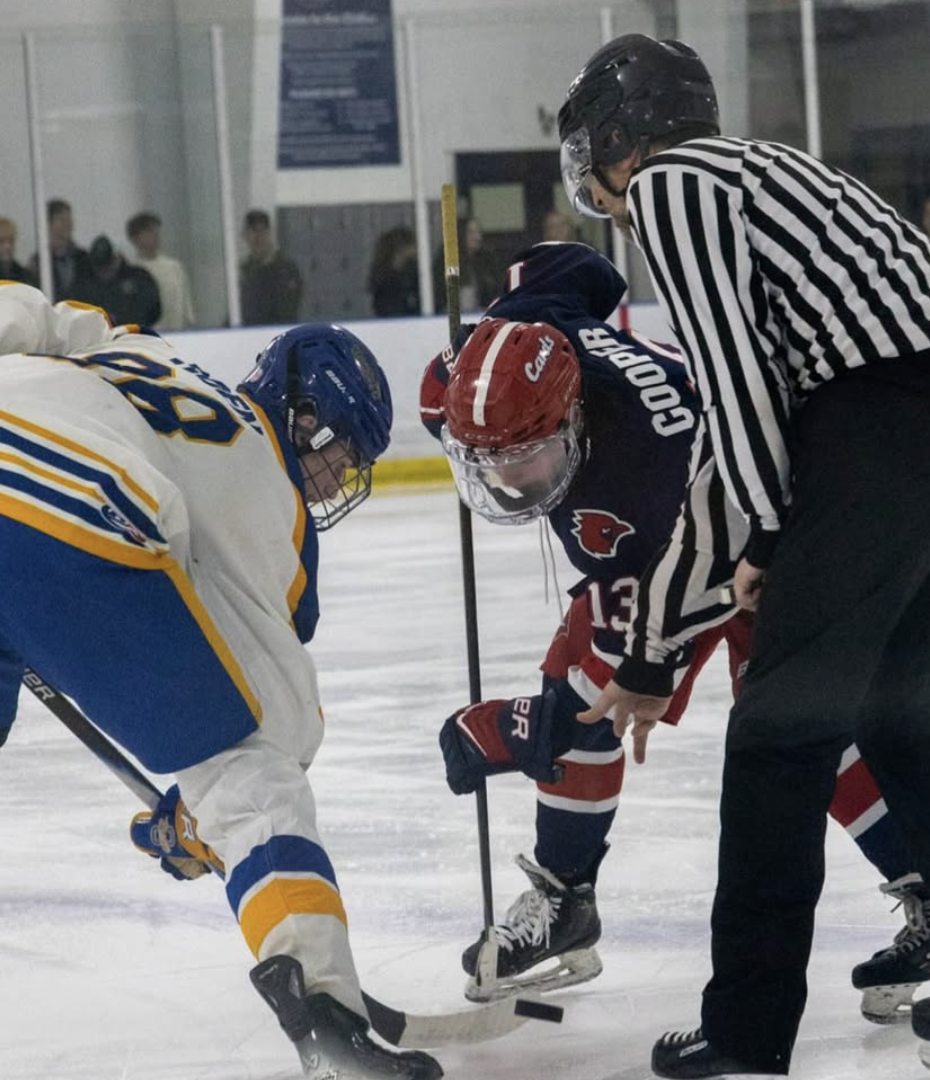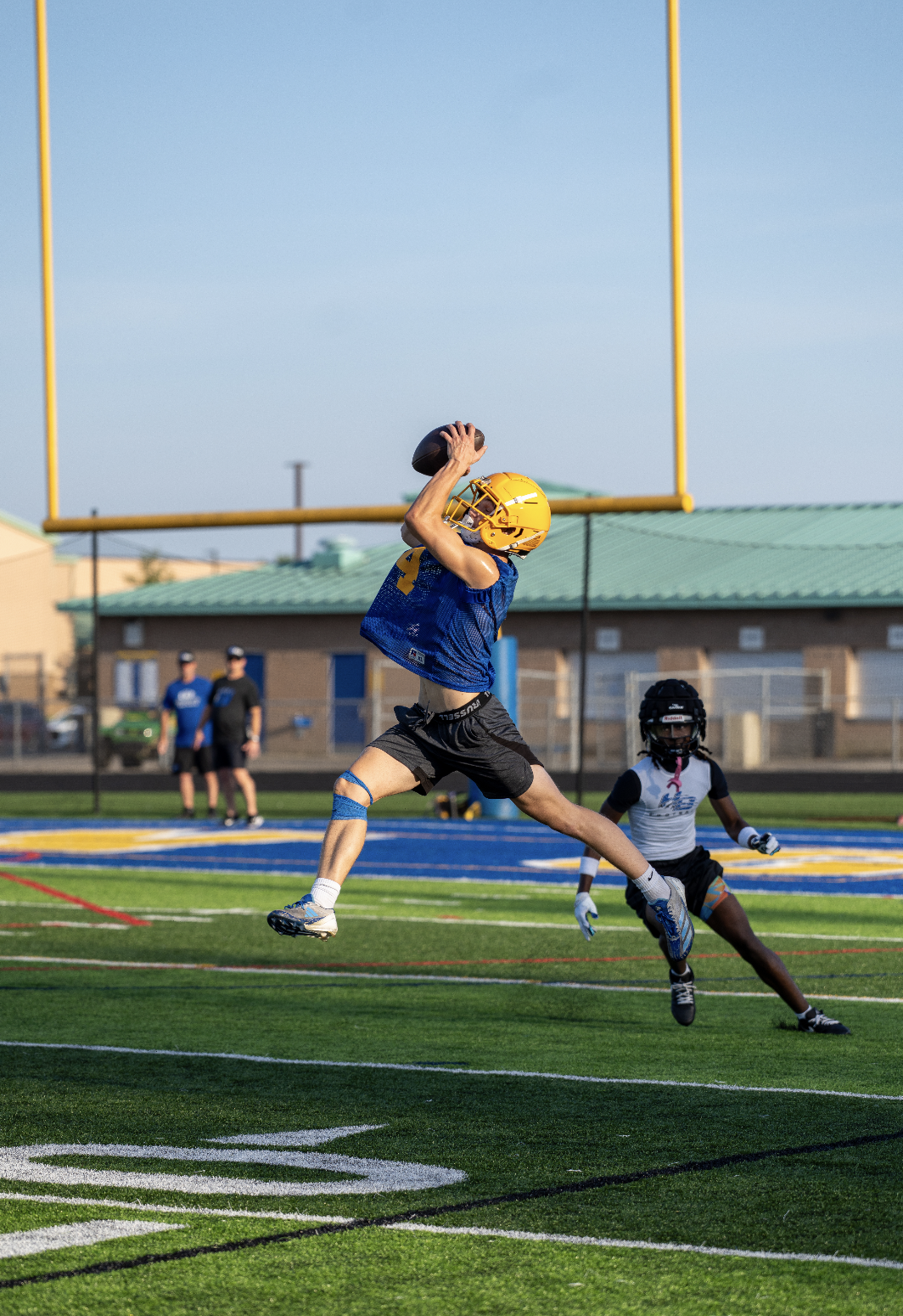
For years, college student-athletes have been able to take part in NIL (Name, Image, and Likeness) deals from third parties for use of their popularity through social media posts, brand appearances or promotions of products and services. In Nov.2025, OHSAA (Ohio High School Athletic Association) approved Ohio student-athletes to enter NIL agreements and receive compensation; however, there are more factors into this new decision.
History of NIL
College athletes have not always been able to receive NIL deals. Two major court cases changed the NIL deal portal, O’Bannon v NCAA and The Ohio State University (OSU) scandal. In 2014, Division 1 athletes filed complaints against the National Collegiate Athletic Association (NCAA) for violations of the Sherman Antitrust Act. This led the Northern District of California to force the NCAA to create rules for what NIL deals were allowed for athletes.
 In the case of O’Bannon v NCAA, former UCLA (University of California, Los Angeles) basketball player Ed O’Bannon sued the NCAA and Collegiate Licensing Company (CLC) after his image and name were used for a video game without his consent. The court agreed that student-athletes should receive compensation for their NIL, and this did in fact violate the Sherman Antitrust Act. California later passed the first NIL legislation in 2019, with the NCAA later approving NIL compensation in 2020.
The OSU football scandal known as Tattoogate took place in 2010 when five players, Terrelle Pryoy, Devier Posey, Mike Adams, Solomon Thomas and Boom Herron were suspended by the NCAA when they received improper benefits from a tattoo parlor. The players received tattoos for autographs, Big Ten championship rings, jerseys and other football-related awards. Former head coach Jim Tressel denied his involvement in the scandal. After the FBI and U.S. Department of Justice were involved, Tressel was suspended for five games and was fined $250,000 for failure to notify the NCAA of the violations. He later resigned from his head coach position. Ohio State was later forced to vacate all wins from the 2010 season, a postseason ban in 2012, and a two-year NCAA probation.
College NIL Agreements
The NCAA fought for a long time to keep college athletes from NIL deals. It was later decided these athletes could receive financial compensation through marketing and promotional endeavors such as autograph signings, product endorsements and even social media posts. NCAA rules prevent schools from being able to pay players to attend their university. Athletes are required to report any NIL deals with their schools and the NCAA to make sure they meet the conference requirements.
“My opinion on NIL deals is pretty positive. Number 1 I think its really good for college athletes to have an opportunity to name, image and likeness,” Bowling Green State University senior football player, Finn Hogan said, “this is something that should have been around for a long time and I think when handled correctly is very beneficial for athletes and open a lot of doors for them which I think is a really cool opportunity for them.”
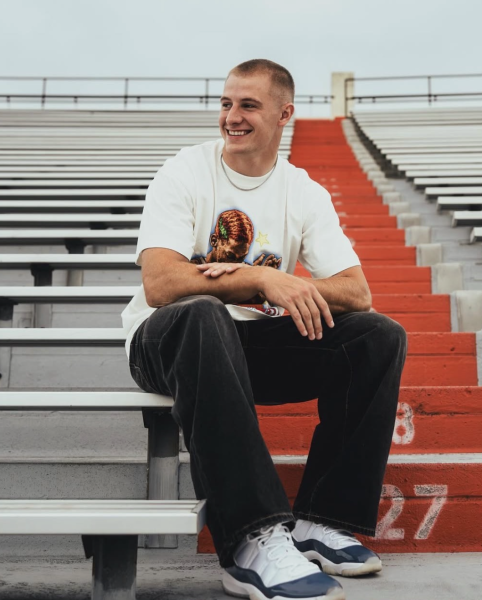
Hogan played wide receiver for the Bowling Green Falcons. He currently has NIL deals with Taco Bell, PacSun, Buckle, Dove Men Care, JBL and Dick’s Sporting Goods. Hogan shares his college experience and business deals on TikTok and Instagram while he also explores life as a Division 1 athlete. He hopes to join the Pros roster in 2026.
“NIL deals have changed college sports forever. College sports will transition into more professional sports, and if done correctly, can become super beneficial,” Hogan said.
Most states prohibit athletes from the promotion of alcohol, tobacco or gambling deals. They are also restricted to copyright for usage of their school’s logo without permission. NIL are not just locked down on the top 15% of athletes; anyone can have an endorsement. Because of these new rules, NCAA athletes are now eligible to sign an agreement with video game companies such as EA (Electronic Arts) Sports for their EA Sports College Football 26 game.
High School NIL
When OHSAA allowed high school athletes to sign NIL deals, it stirred the pot with an uprise of chaos and confusion arose about why and what high school athletes need NIL deals for.
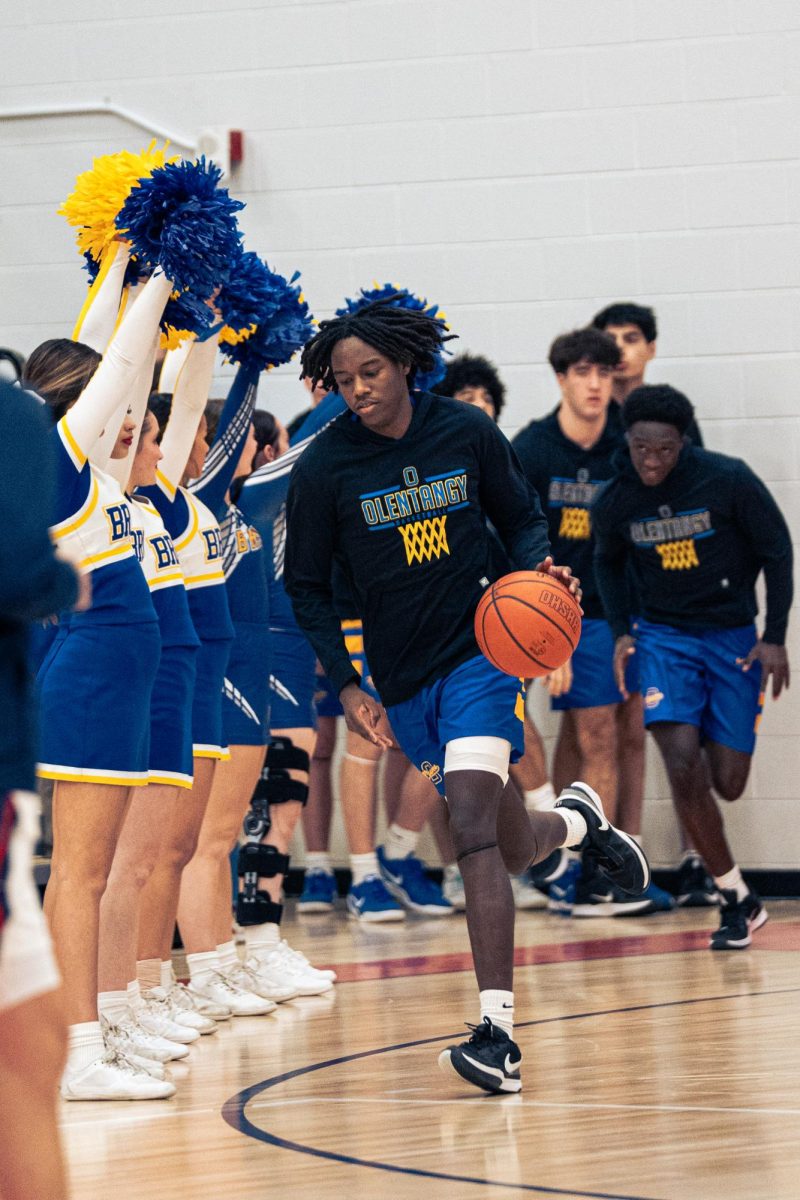
“I don’t think it’ll change too much. I don’t think too many companies will be floating the money down to the high school level. The biggest change will be the colegence by recruiting. We’re the top-notch players. It’ll be more for recruiting,” Olentangy Athletic Director, Johny Hensey said.
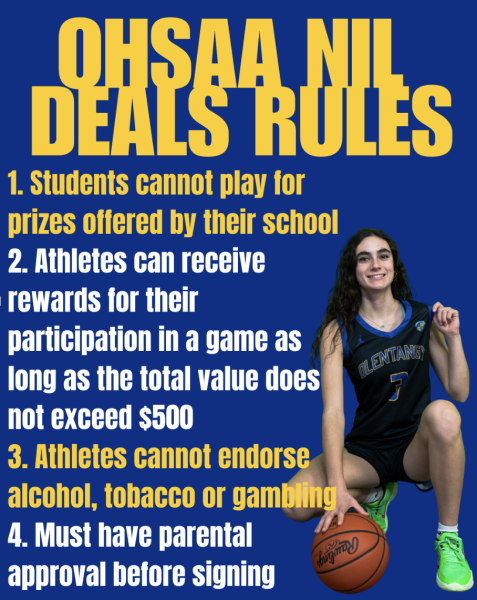
There is still a long road for NIL deals to become effective in high school sports with new rules in place. Students are not allowed to play for prizes offered by the school at their high school. Athletes can receive awards, gifts, or prizes for their participation in a game as long as the total value does not exceed $500 and is not a cash prize. OHSAA built courses for any high school athlete interested in NIL deals to help them and their parents understand the rules and eligibility for NILs.