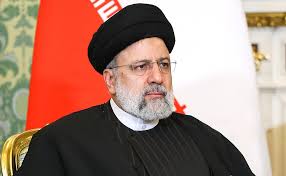
Over the past week, there have been major developments in the Middle East conflicts after a coordinated U.S.-Israeli airstrike on Iranian military and nuclear sites. On Feb. 28, strikes were carried out by the U.S. and Israel to target senior leadership and command centers near Tehran. On Mar. 1 Iran retaliated with missiles and drone strikes at U.S. bases as well as Israeli territories. After the attacks, airspaces were closed across most of the Middle East. On Mar. 2 and 3 additional Israeli airstrikes affected Tehran and military zones, at the same time U.S states who border the Gulf have taken defensive measures.
However, Iran and American conflict has been on the rise for almost 50 years. In the late 1970s and early 1980s, Iran held 52 Americans hostage for 444 days. Militants stormed the U.S Embassy. This has been called a turning point in U.S.-Iran relations. Also in the early 80s, suicide bombers killed 241 U.S service members, in hopes to push troops out of Lebanon. Into the 1990s, the Gulf War became the U.S.’s first war in the Middle East, as it pushed Iraq out of Kuwait.
A decade later, Middle Eastern terrorists attacked the World Trade Center, in which over 3,000 civilians were killed. 9/11 goes on to trigger the War on Terror. After the actions of al-Qaeda, the U.S. invaded Afghanistan with a goal to remove the Taliban. The war would continue until 2021 and ended with the Taliban still in control. At the same time, the U.S invaded Iraq to remove weapons of mass destruction. This would cause the rise of ISIS and other terrorist groups across the Middle East. The Iraq war would end in 2011; however, America would continue to fight ISIS. In 2023, America would begin to insert itself in the Israel-Hamas war. Which brings us to the current crisis.
The Economics of it all
The biggest good affected by these conflicts is oil as prices have spiked over the course of these attacks. Saudi Arabia, Iran and Iran are the largest producers of oil and gas in the world. This causes a rise in shipping costs and gas prices for the whole country. At the same time, attacks also disrupt shipping in the Gulf, major ports and the Red Sea.
Another major economic effect is the stock market tends to change. Investors panic at first; however, energy and defense stocks start to rise. But the uncertainty makes investors and the market mad.
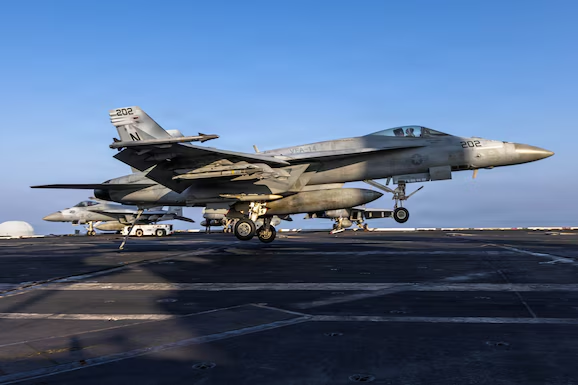
However, some programs benefit from war. Any business or program which deals with defense, weapons or the military gains more funds. Whether it be from the government of stocks, manufacturers tend to see an increase in funds.
Middle Eastern conflicts have caused growth in technology. One of the biggest groups are energy and weapons. While oil becomes limited, new energy must be looked at. Within the last couple of years, energy has changed and evolved to rely on American resources. On the other hand, weapon manufacturers have looked at how to improve the production of weapons, as well as how to create stronger weapons.